Blog
Detailed_portraits_reveal_the_mesmerizing_beauty_within_shinywild_creations_and

- Detailed portraits reveal the mesmerizing beauty within shinywild creations and beyond
- The Intriguing World of Miniature Sculptures
- The Techniques Employed in Miniature Creation
- Exploring the Realm of Textured Ceramics
- The Significance of Tactile Experience
- The Art of Hand-Woven Textiles
- The Evolution of Weaving Techniques
- The Delicate Craft of Glass Beadwork
- Beyond the Studio: The Impact of Artistic Expression
Detailed portraits reveal the mesmerizing beauty within shinywild creations and beyond
The allure of handcrafted artistry is timeless, captivating audiences with its unique textures, forms, and narratives. Within this sphere, the creations of shinywild stand out, embodying a distinctive aesthetic that blends innovation with traditional techniques. These pieces aren't merely objects; they are expressions of creativity, meticulously brought to life by skilled artisans. The growing appreciation for handmade items reflects a wider cultural shift towards valuing authenticity, sustainability, and the human touch in a world increasingly dominated by mass production.
Exploring the world of handmade artistry reveals a diverse range of disciplines, from ceramics and textiles to jewelry and woodworking. Each medium offers a distinct pathway for artistic expression, allowing creators to experiment with materials, patterns, and techniques. The appeal lies not only in the final product but also in the process itself – the dedication, skill, and passion that are woven into every stitch, brushstroke, or carve. The dedication to quality and the story behind each piece creates a connection between the artist and the admirer, something that mass-produced items simply can’t replicate. This resurgence of interest in handcrafted goods signals a desire for pieces that carry meaning, personality, and a sense of enduring value.
The Intriguing World of Miniature Sculptures
Miniature sculpture presents a fascinating intersection of artistry and meticulous detail. Artists specializing in this form demonstrate an extraordinary ability to translate complex concepts and forms into incredibly small scales. Often employing materials like polymer clay, wax, or precious metals, they craft intricate scenes, portraits, and abstract compositions that demand close observation and appreciation. The challenge lies not only in the technical skill required to manipulate such delicate materials but also in the artistic vision needed to convey a powerful impact within a limited space. The ability to suggest a larger narrative or evoke a specific emotion through such condensed artistry is what truly sets miniature sculpture apart.
The Techniques Employed in Miniature Creation
Creating captivating miniature sculptures requires a specialized skillset and a range of innovative techniques. Artists frequently utilize sculpting tools designed for jewelry making and dental work, adapting them to their unique needs. The layering of materials is critical, often involving repeated applications and refinements to build up form and texture. Precision is paramount; even the smallest imperfection can detract from the overall effect. Many artists use magnification tools, such as magnifying glasses or microscopes, to ensure accuracy and detail. The finishing process often involves delicate painting, patination, or polishing to enhance the sculptural qualities and bring the piece to life.
| Material | Typical Tools | Common Techniques | Level of Difficulty |
|---|---|---|---|
| Polymer Clay | Sculpting tools, oven | Sculpting, baking, painting | Beginner to Intermediate |
| Wax | Wax carving tools, heat source | Carving, lost-wax casting | Intermediate to Advanced |
| Precious Metals | Jewelry tools, soldering iron | Fabrication, casting, polishing | Advanced |
The table above offers a brief overview of some common materials and techniques used in miniature sculpture. Each material presents its own challenges and opportunities, and the choice often depends on the artist's desired aesthetic and level of experience. The pursuit of mastery in this field requires patience, perseverance, and a deep understanding of artistic principles.
Exploring the Realm of Textured Ceramics
Textured ceramics represent a captivating departure from traditional smooth-glazed pottery. Artists in this realm are driven by a desire to engage the sense of touch as well as sight, creating pieces that invite exploration and interaction. The application of texture can take countless forms, from delicate impressions of natural materials to bold, architectural carvings. The process frequently involves altering the clay body itself—incorporating grog, sand, or other additives to impart a unique grain—or applying surface treatments such as stamping, carving, or building up layers of slip. The subtle nuances in texture can profoundly affect the way light plays across the surface, adding depth and visual interest.
The Significance of Tactile Experience
The intentional incorporation of texture into ceramic art significantly elevates the tactile experience for the viewer. Unlike smooth surfaces that offer minimal sensory feedback, textured ceramics entice interaction. The variation in surface qualities—rough, smooth, raised, recessed—stimulates the sense of touch, fostering a more intimate connection with the artwork. This tactile dimension encourages a slower, more mindful contemplation of the piece, shifting the focus from purely visual assessment to a holistic sensory engagement. This trend aligns with a broader movement in art that seeks to break down the traditional barriers between the viewer and the artwork, making the experience more immersive and personal.
- Texture adds depth and visual interest.
- It invites tactile exploration.
- It fosters a connection between the viewer and the artwork.
- It can evoke emotional responses through the sense of touch.
- It offers opportunities for experimentation with different materials and techniques.
The impact of texture is not merely aesthetic; it can also carry symbolic weight. A rough, uneven surface might evoke feelings of earthiness or vulnerability, while a polished, refined texture could suggest sophistication or control. Artists carefully consider the expressive potential of texture when designing their pieces, using it to communicate specific ideas or emotions.
The Art of Hand-Woven Textiles
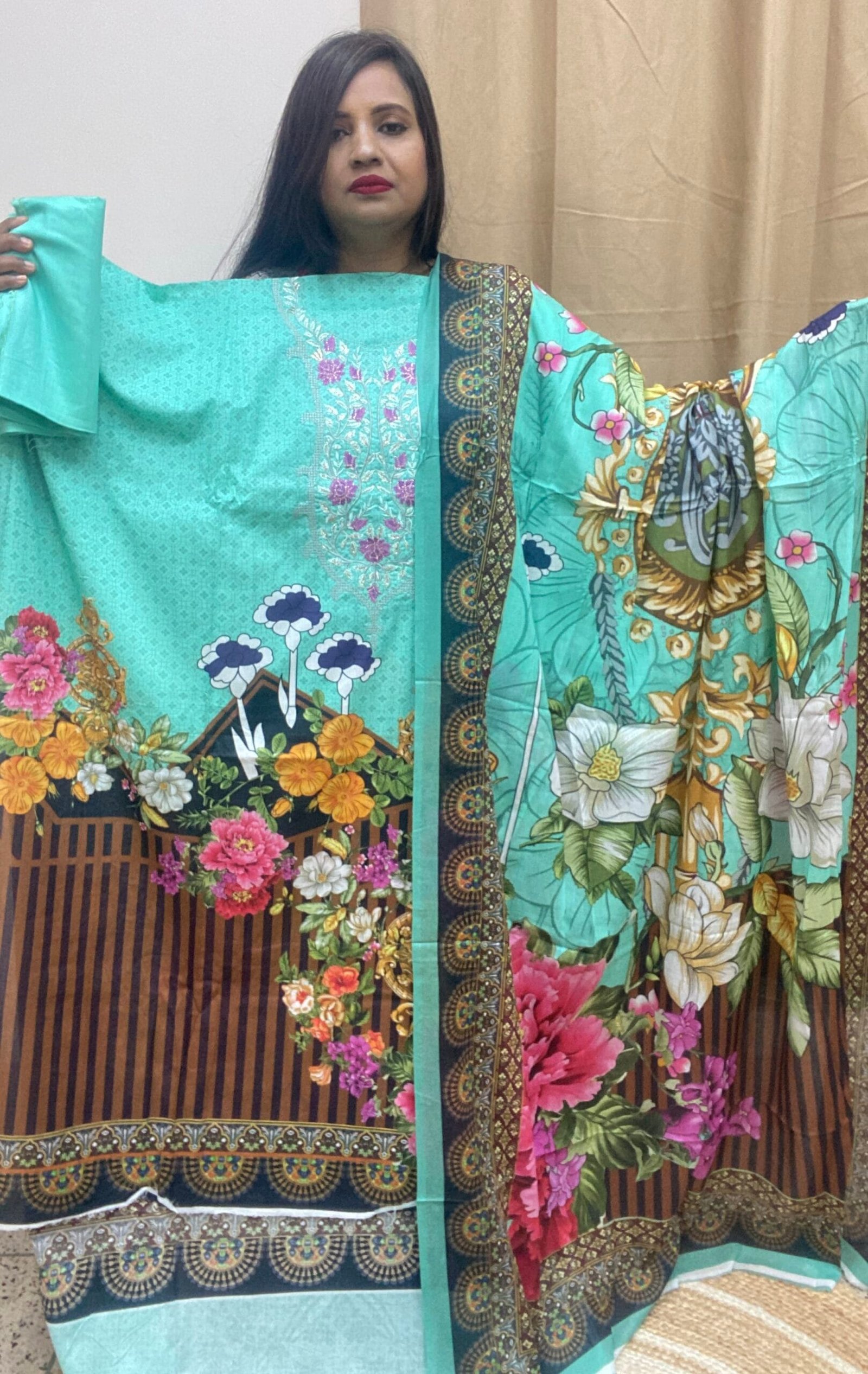
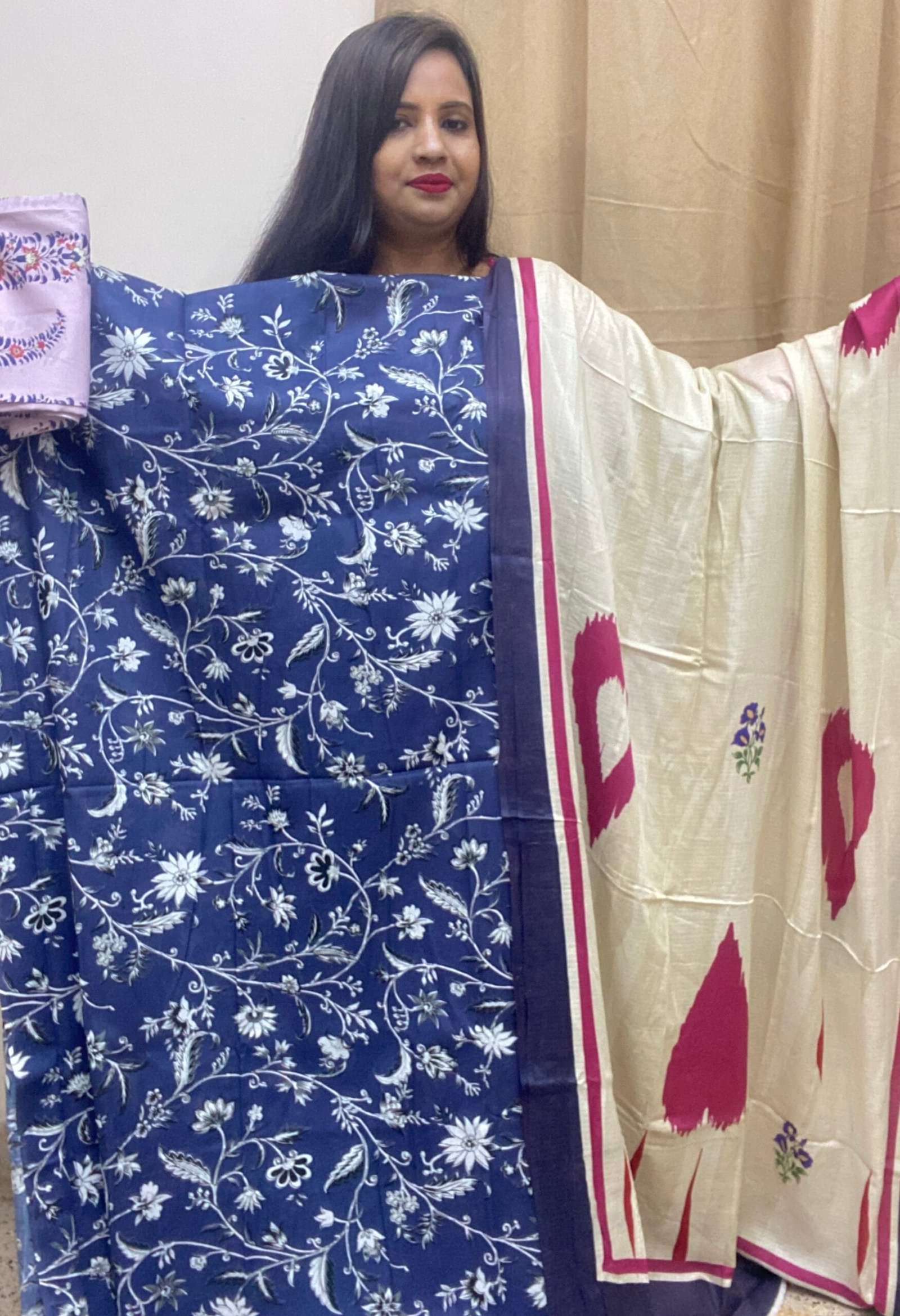
Hand-woven textiles represent a rich tradition of craftsmanship, spanning cultures and millennia. The creation of fabric through manual weaving techniques demands skill, patience, and a deep understanding of materials and structure. Unlike mass-produced textiles, hand-woven fabrics retain a unique quality—a subtle irregularity that speaks to the human hand behind the process. The possibilities for design are virtually limitless, encompassing intricate patterns, bold color combinations, and a wide range of textures. The selection of fibers—whether natural materials like wool, cotton, or silk, or innovative synthetic blends—plays a crucial role in defining the character of the finished fabric. This dedication to traditional methods and the resulting artistic expression make hand-woven textiles highly valued by collectors and design enthusiasts.
The Evolution of Weaving Techniques
While the fundamental principles of weaving remain consistent, the techniques employed have evolved significantly over time. From simple frame looms to complex multi-shaft looms, innovators have constantly sought new ways to expand the possibilities of textile creation. Jacquard looms, for example, revolutionized the industry by allowing for the automated production of intricate patterns. However, the resurgence of interest in traditional hand-weaving techniques reflects a desire to recapture the artistry and individuality lost in mechanized production. Contemporary weavers are experimenting with unconventional materials, incorporating found objects and mixed media into their work, pushing the boundaries of the medium. These explorations highlight the enduring versatility and creative potential of this ancient craft.
- Warp preparation is the foundation of weaving.
- The weft threads are interlaced with the warp.
- Different weaving patterns create different textures and designs.
- Finishing techniques add durability and enhance the fabric's appearance.
- Modern weavers are experimenting with mixed media and unconventional materials.
The continuing evolution of weaving techniques ensures that this ancient art form remains relevant and vibrant in the modern world. The dedication of artisans to preserving traditional skills while embracing innovation promises a future filled with breathtaking textile creations.
The Delicate Craft of Glass Beadwork
Glass beadwork is a captivating art form that transforms tiny, often iridescent, glass beads into intricate and elaborate designs. This craft requires incredible dexterity and patience, as each bead must be meticulously sewn or woven onto a base material, creating patterns ranging from simple geometric motifs to complex pictorial scenes. The origins of glass beadwork are deeply rooted in cultural traditions around the world, with distinct styles and techniques emerging in various regions. From the vibrant beadwork of indigenous communities to the delicate elegance of Venetian glass beadwork, the art form showcases a remarkable diversity of artistic expression. The luminosity and shimmering qualities of the glass beads add a unique dimension to the artwork, capturing and reflecting light in mesmerizing ways.
Beyond the Studio: The Impact of Artistic Expression
The ripple effect of artistic endeavors extends far beyond the walls of a studio. Supporting artisans and embracing handmade goods cultivates a more sustainable and ethical approach to consumption. The emphasis on quality over quantity encourages a mindset of mindful purchasing, where items are valued for their longevity and unique character rather than their disposability. Moreover, the preservation of traditional crafts plays a vital role in safeguarding cultural heritage and providing economic opportunities for communities around the world. By cherishing the work of skilled creators, we invest in a future where artistry and craftsmanship continue to thrive.
Consider the case of a small cooperative of weavers in Guatemala, who, through the sale of their handwoven textiles, are able to support their families and preserve their ancestral techniques. This illustrates how artistic expression can be a catalyst for positive social and economic change, empowering individuals and strengthening communities. The intentional choice to support ethically sourced, handmade items isn’t simply about acquiring beautiful objects; it’s about participating in a system that values human skill, cultural preservation, and sustainable practices.