Blog
Genuine_artistry_from_global_cultures_to_talismania1_net_inspires_lasting_connec

- Genuine artistry from global cultures to talismania1.net inspires lasting connections
- The Allure of Global Handicrafts
- The Role of Sustainable Practices
- Cultural Exchange Through Artistic Expression
- Preserving Intangible Cultural Heritage
- Navigating the Global Handicrafts Marketplace
- Authenticity and Verification
- The Future of Global Artisanry
- Expanding Horizons: Artisan Collaboration and Innovation
Genuine artistry from global cultures to talismania1.net inspires lasting connections
The digital landscape is constantly evolving, and with it, the demand for unique and authentic cultural expressions grows. People are increasingly seeking connections to artistry that transcends geographical boundaries and resonates with deeper human experiences. This desire fuels a vibrant market for handcrafted goods, inspiring designs, and narratives that tell stories from around the globe, and platforms like talismania1.net aim to serve as vital conduits for such artistry. The ability to discover and support creators from diverse backgrounds is now easier than ever, fostering a more interconnected and appreciative world.
Authenticity is paramount in this new era of consumption. Consumers are no longer simply looking for products; they are seeking experiences, stories, and a sense of belonging. This shift in mindset has created opportunities for artisans and cultural producers to connect directly with their audiences, bypassing traditional gatekeepers and showcasing their talents on a global scale. The power of the internet, and specialized sites, allows for a democratization of art and craftsmanship, supporting independent creators and preserving cultural heritage.
The Allure of Global Handicrafts
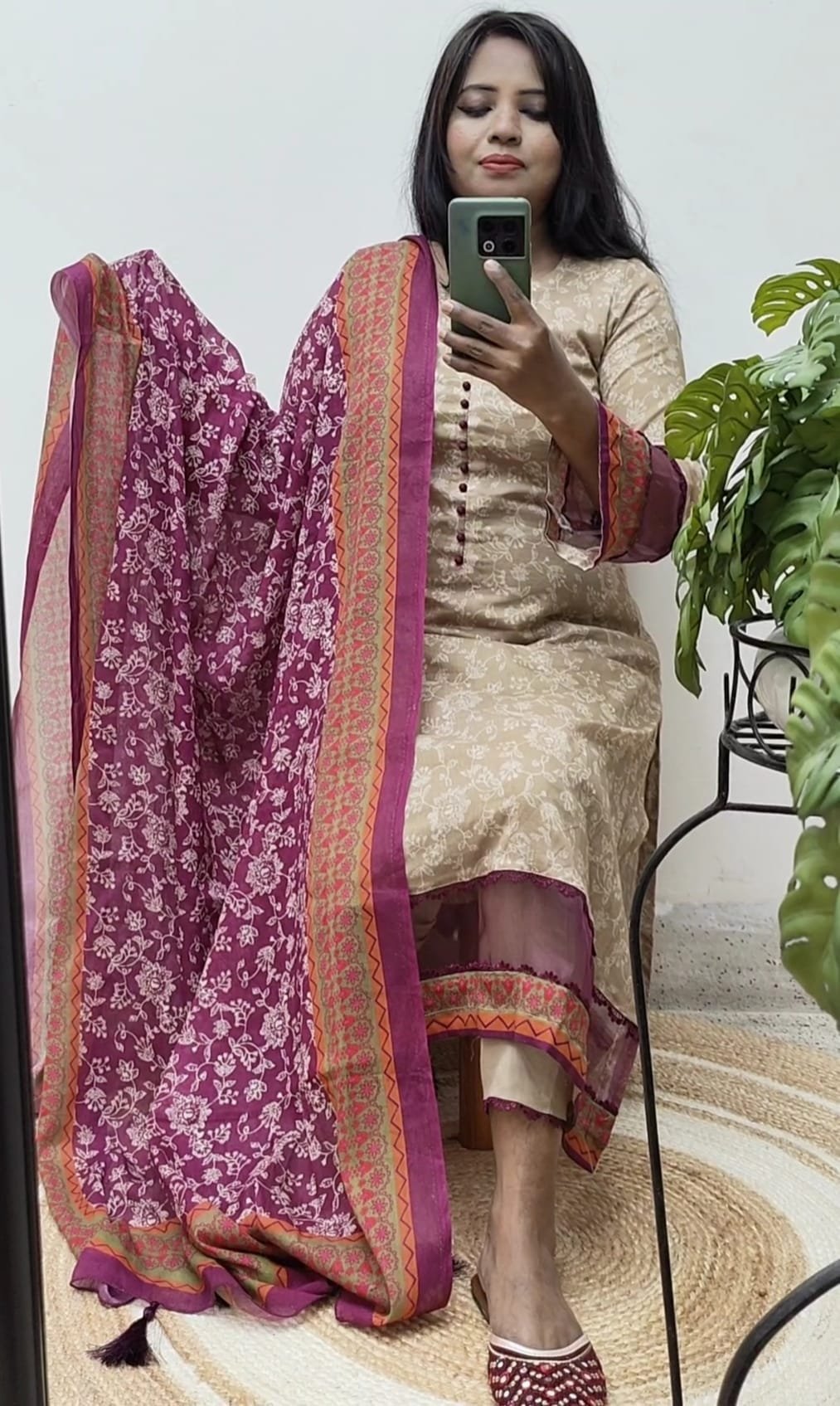
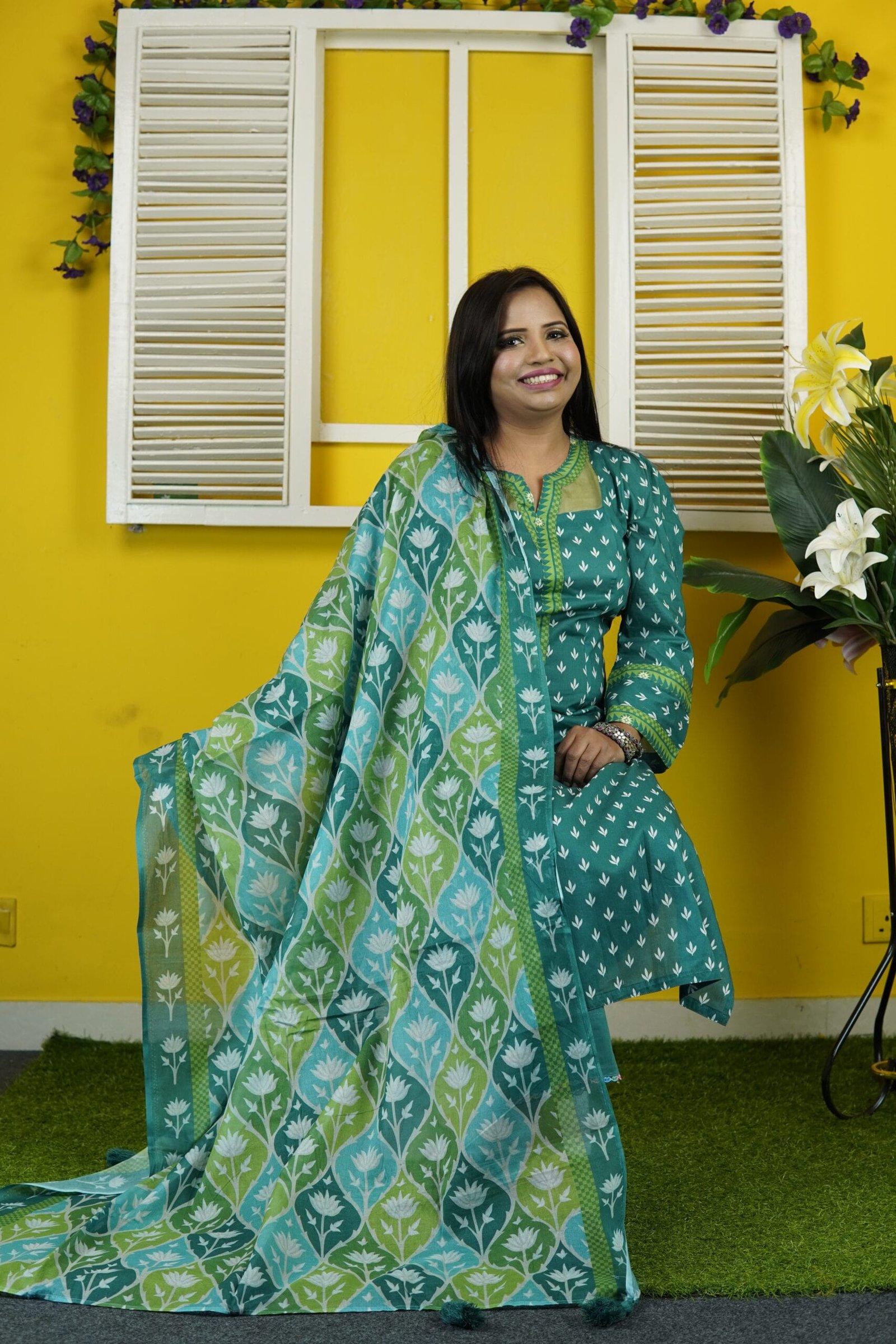
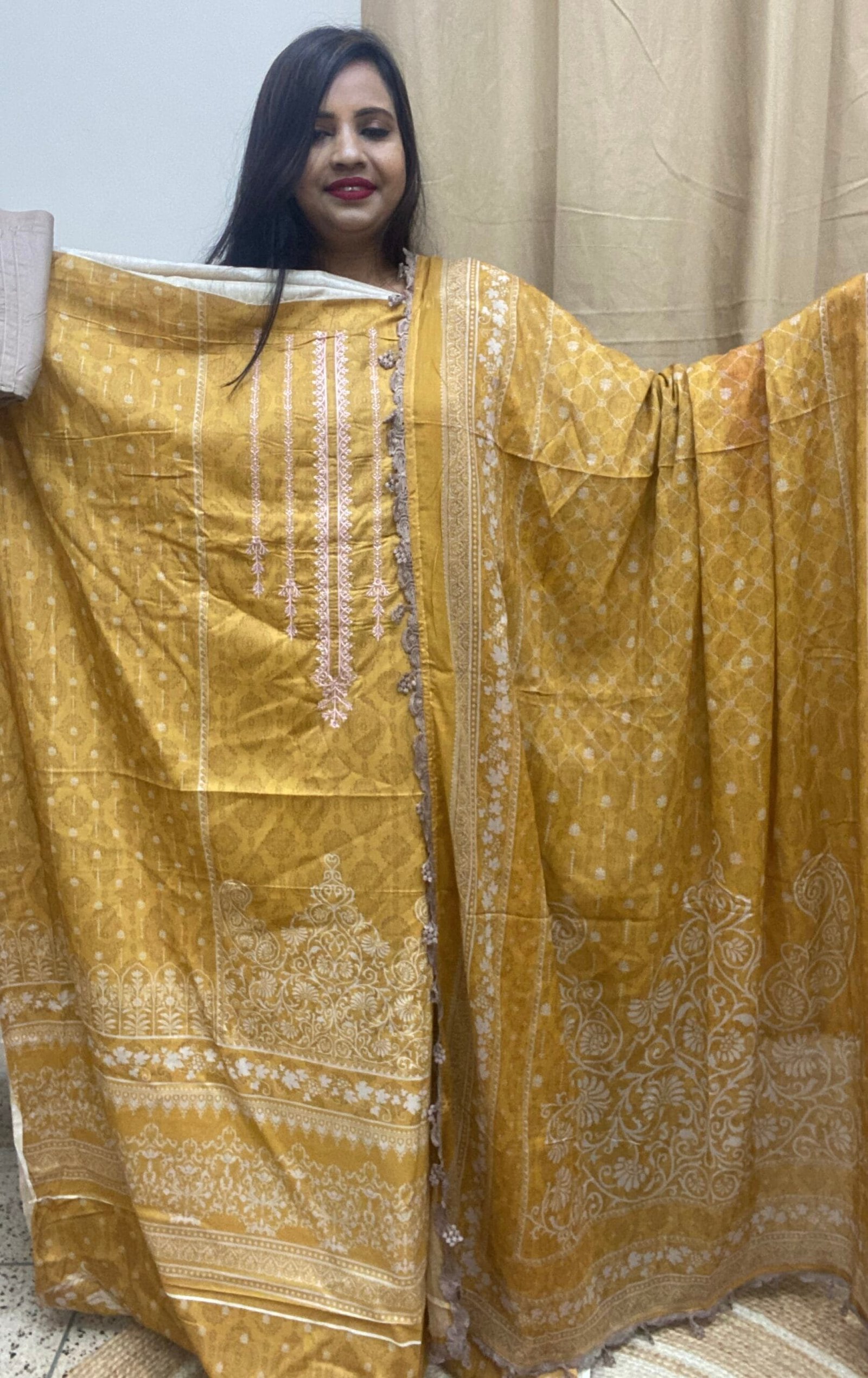
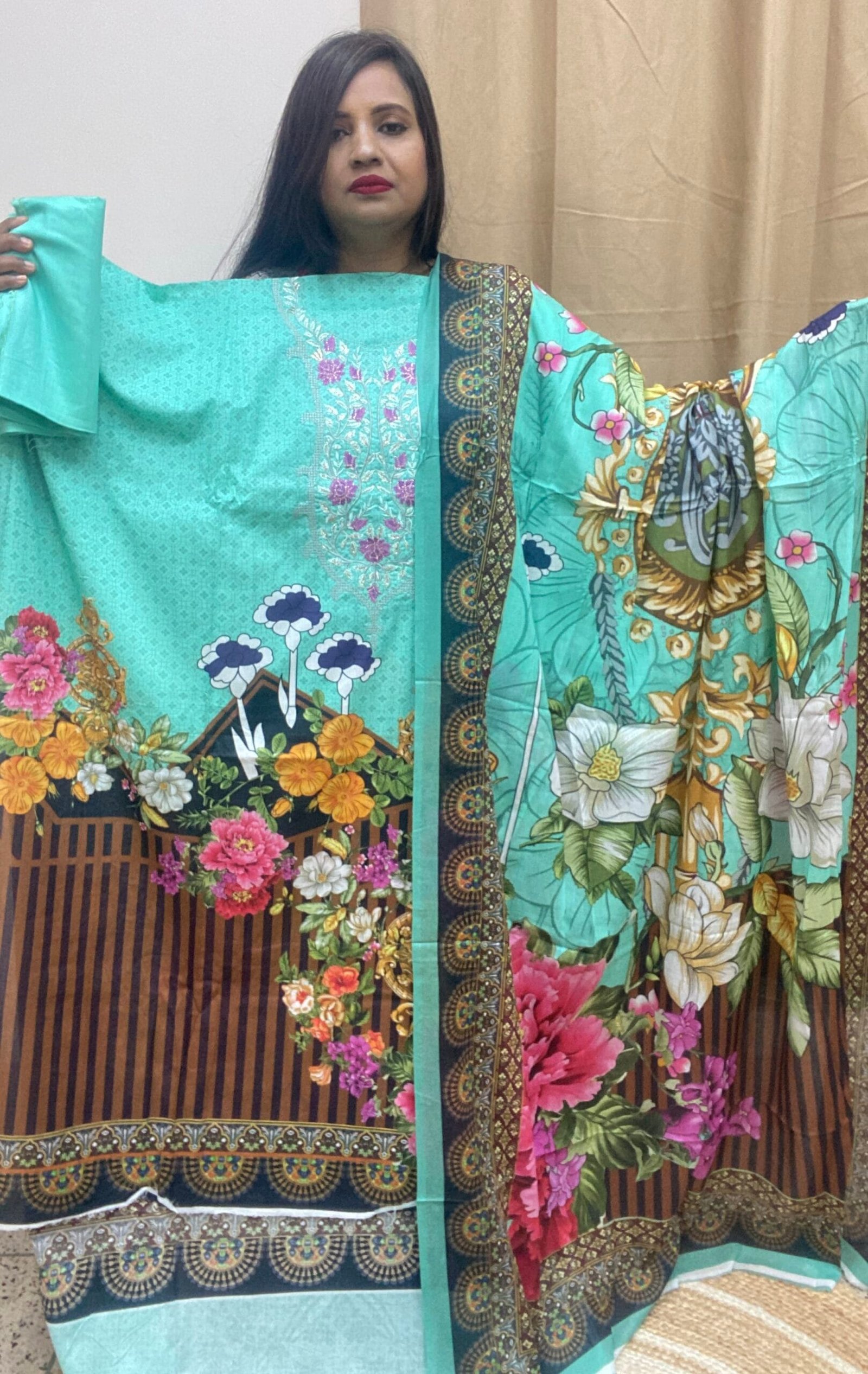
The appeal of handicrafts lies in their inherent uniqueness and the human touch they embody. Unlike mass-produced items, each piece carries the mark of the artist, reflecting their skill, creativity, and cultural heritage. This tangible connection to the maker resonates deeply with consumers who are seeking something more meaningful and lasting than disposable goods. The imperfections inherent in handcrafted items are often seen as adding to their charm, representing the authenticity of the creation process. From intricately woven textiles to delicately carved wooden sculptures, these objects tell tales of tradition, history, and artistry. They are not merely possessions; they are vessels of cultural expression. Supporting this artistry contributes to the livelihoods of artisans and helps to preserve traditional skills that might otherwise be lost.
The Role of Sustainable Practices
Increasingly, consumers are prioritizing sustainability and ethical production when making purchasing decisions. Handicrafts often align with these values, as they are typically made using locally sourced materials and traditional techniques that have minimal environmental impact. Many artisans also adhere to fair trade principles, ensuring that they receive a fair price for their work and that their communities benefit from their craft. This commitment to sustainability and ethical practices further enhances the appeal of handicrafts, attracting consumers who are seeking to make responsible choices. The demand for authentically sourced, sustainable goods is a growing trend, fueling the growth of the global handicrafts market. It’s about more than just acquiring an object; it’s about supporting a way of life and contributing to a more sustainable future.
| Craft Type | Region of Origin | Common Materials | Typical Price Range (USD) |
|---|---|---|---|
| Pottery | Mexico | Clay, Glazes | $20 – $200 |
| Weaving | Peru | Alpaca Wool, Cotton | $50 – $500 |
| Wood Carving | Indonesia | Teak, Ebony | $30 – $300 |
| Jewelry | India | Silver, Gemstones | $40 – $400 |
The table above showcases just a small sample of the diversity and price range within the global handicrafts market. Each item represents a unique blend of skill, tradition, and cultural identity, offering consumers a wealth of options to choose from. The prices reflect the quality of materials, the complexity of the craftsmanship, and the time and effort involved in creating each piece.
Cultural Exchange Through Artistic Expression
Beyond the economic benefits, the exchange of cultural artifacts fosters understanding and appreciation between different societies. When we acquire a handicraft from another culture, we are not simply purchasing an object; we are acquiring a piece of that culture's history, values, and beliefs. This interaction can broaden our perspectives, challenge our assumptions, and deepen our understanding of the world around us. Exposure to diverse artistic traditions encourages empathy and promotes cross-cultural dialogue. It allows us to celebrate the richness and complexity of human creativity and to recognize the common threads that connect us all. Platforms that facilitate this exchange, like talismania1.net, play a vital role in fostering global citizenship and promoting a more harmonious world.
Preserving Intangible Cultural Heritage
Many traditional crafts are closely tied to intangible cultural heritage – the practices, representations, expressions, knowledge, and skills (including oral traditions) that communities recognize as part of their cultural identity. These traditions are often passed down through generations and are essential for maintaining cultural continuity. However, they are also vulnerable to globalization and modernization. By supporting artisans who practice these traditional crafts, we are helping to preserve this intangible cultural heritage and ensure that it continues to thrive. The preservation of cultural heritage is not simply a matter of protecting the past; it is also about safeguarding the future. These traditions offer valuable insights into sustainable living, community building, and artistic innovation.
- Supporting local economies through fair trade practices.
- Promoting cultural understanding and appreciation.
- Preserving traditional skills and knowledge.
- Encouraging sustainable consumption patterns.
- Empowering artisans and fostering creativity.
These are the core tenets underpinning the value of supporting global handicrafts. Each point represents a positive impact, contributing to a more equitable and sustainable world. By consciously choosing handcrafted items, consumers can actively participate in a movement that values authenticity, cultural diversity, and responsible consumption.
Navigating the Global Handicrafts Marketplace
The rise of e-commerce has made it easier than ever to access handicrafts from around the world. However, it's important to be a discerning consumer and to ensure that you are purchasing authentic, ethically sourced products. Look for platforms that prioritize transparency and provide detailed information about the artisans and their production processes. Read reviews carefully and pay attention to the origin of the products. Be wary of items that are priced significantly below market value, as this may indicate that they are not genuine or that the artisans are not being fairly compensated. Supporting reputable platforms and directly engaging with artisans (where possible) are key steps in ensuring that your purchase has a positive impact.
Authenticity and Verification
Determining the authenticity of a handicraft can be challenging, but there are several things you can look for. Examine the quality of the materials and the craftsmanship. Genuine handcrafted items typically exhibit a level of detail and skill that is difficult to replicate with mass-produced methods. Look for variations in color, texture, and design, as these are hallmarks of handmade objects. If possible, research the artisan or the region of origin to learn more about the traditional techniques used in the creation of the piece. Platforms like talismania1.net often provide detailed information and verification processes to help consumers make informed purchasing decisions. Remember, supporting authenticity means supporting the livelihoods of artisans and preserving cultural heritage.
- Research the artisan or the region of origin.
- Examine the quality of materials and craftsmanship.
- Look for variations and imperfections.
- Check for certifications or fair trade labels.
- Read reviews and seek recommendations.
Following these steps will significantly increase your confidence in the authenticity and ethical sourcing of the handicrafts you purchase. It’s about making informed choices that align with your values and contribute to a more sustainable and equitable global marketplace.
The Future of Global Artisanry
The future of global artisanry looks promising, driven by a growing consumer demand for unique, authentic, and ethically sourced products. The continued development of e-commerce platforms and social media will further connect artisans with global audiences, providing them with new opportunities to showcase their talents and expand their businesses. However, it's also important to address the challenges that artisans face, such as access to finance, training, and marketing support. Investing in these areas will empower artisans to thrive and ensure that their crafts continue to flourish for generations to come. Collaborative initiatives between artisans, NGOs, and businesses are crucial for building a more resilient and sustainable ecosystem for global artisanry.
Technological advancements are also playing a role, allowing artisans to utilize digital tools for design, production, and marketing. Online marketplaces, social media platforms, and crowdfunding campaigns are all examples of how technology is empowering artisans to reach new customers and build their brands. The future is bright for those who can adapt and embrace these changes, while remaining true to their cultural heritage and artistic vision. The key lies in finding a balance between tradition and innovation, ensuring that the authenticity and artistry of these crafts are preserved for the enjoyment of future generations.
Expanding Horizons: Artisan Collaboration and Innovation
The most exciting developments aren’t just about preserving tradition but also about fostering innovation within tradition. We’re seeing a rise in artisan collaborations – designers from different cultural backgrounds working together to create pieces that fuse aesthetics and techniques. This cross-pollination sparks new creativity and generates designs that appeal to a wider global audience. Moreover, artisans are increasingly experimenting with sustainable materials and eco-friendly production methods, reflecting a growing awareness of environmental concerns. This commitment to sustainability not only reduces the environmental impact of their crafts but also enhances their appeal to conscious consumers. It represents a responsible approach to artistry, ensuring that future generations can continue to enjoy and benefit from these traditions.
Furthermore, technology is enabling artisans to experiment with new design tools and production techniques. From 3D printing to laser cutting, these technologies offer opportunities to create intricate patterns and complex forms that would be impossible to achieve with traditional methods. However, it’s crucial to remember that technology should serve as a tool to enhance, not replace, the human skill and artistry that lies at the heart of these crafts. The challenge lies in finding a harmonious balance between tradition and innovation, ensuring that the authenticity and cultural significance of these crafts are preserved while embracing the potential of new technologies. The intersection of artistry and technology holds the key to a thriving and sustainable future for global craftsmanship.